


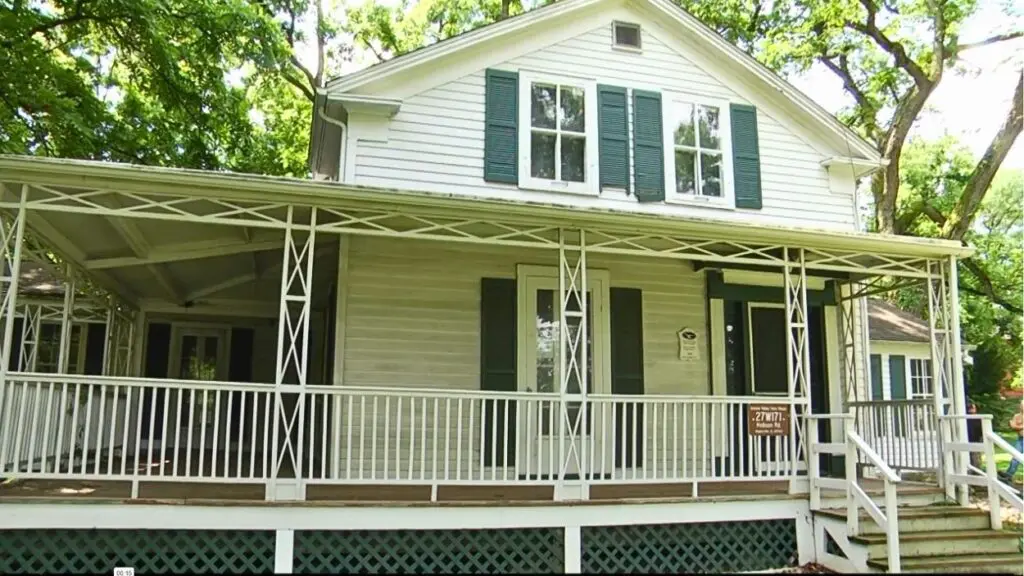
The Forest Preserve District of DuPage County has received two statements of interest concerning the future of the historic Oak Cottage site. A decision on next steps could come later this month.
Historic cottage on forest preserve land
Oak Cottage, 23W171 Hobson Road, is within the forest preserve’s jurisdiction and in close proximity to Naperville. The two-story Greek Revival-style farmhouse was built in 1850 by William Briggs Greene. It’s been vacant since 1983.
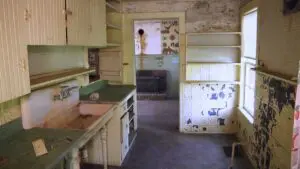
Though steeped in history, the dwelling does have identified structural issues, including a need to strengthen a set of stairs within the building. Earlier this year, the district put out a call for statements of interest from the public for proposals on how to potentially repurpose the cottage.
Different proposals presented for Oak Cottage site
Jessica Ortega, the district’s manager of strategic plans and initiatives, presented the forest preserve’s board with two possible scenarios at a planning session meeting Tuesday, Dec. 9.
Private citizen James Privitt presented the board with a statement that entailed relocating and then restoring the Oak Cottage building for use as his primary residence. Periodic public tours are also a part of his proposal. He estimated that the project would be complete in two years, noting in his statement that he’d relocated and restored historic properties before.
The Naperville Outdoor Alliance organization has also expressed interest in helping forge the structure’s future. The nonprofit group has submitted a proposal that entails keeping the building in its current spot and repurposing it as a cultural center, with a plan to open it in 2029. The group also expanded its proposal to include an upgrade and repurposing of the nearby Greene Farm Barn, though Ortega noted the barn was not included in the original ask for proposals put forth by the district.
After hashing over granular details within each scenario, Ortega said she is recommending the board consider Privitt’s proposal.


Privitt’s proposal deemed less costly of two options
Ortega indicated one of the key drivers behind the recommendation came down to dollars and cents. Oak Cottage is historically significant, but it also comes with a price tag, by way of upkeep and maintenance.
Speaking to Privitt’s statement, Ortega said transferring it to the care of a private citizen could provide more flexibility within the forest preserve’s balance sheet.
“By removing the building, it will also allow us to refocus the resources that we expend on maintaining that house elsewhere to help advance our mission,” Ortega said.
The Naperville Outdoor Alliance proposal, by contrast, could mean added costs to the forest preserve’s bottom line, depending on the full scope of the work required to transform the building into a cultural center.
“There will be unavoidable impacts to the house to upgrade it for public use, like structural changes to comply with accessibility, life-safety, and other regulations,” Ortega noted during the discussion.
If the board were to choose to go with the Naperville Outdoor Alliance, Ortega said a deeper dive into the specificities of a cultural center would be necessary from the standpoint of future planning.
“It’s not totally clear how the proposed use is aligned with our mission, or how it will advance it because the proposal is not very specific about exactly what will take place in that cultural center,” Ortega said.
Board action and next steps in the process
The forest preserve board’s Dec. 9 session was solely a planning meeting, and no decisions were made. Further discussion and a possible directive could come forward at an upcoming business meeting.
During an open-ended discussion, board members shared a number of comments and questions about each statement, with some lamenting a possible relocation of the building from its original perch. Relocating the dwelling to a residential neighborhood could take away some of the context surrounding the historic building, they noted.
Should the board opt for Privitt’s recommendation, stipulations could be in place, such as requiring the home remain within DuPage County.
Speaking to the next step in the process, Ortega said, “We would enter into an agreement with them to develop the plan. That would outline all of the details to get the project to full realization. If the board would approve that plan, we would enter into another agreement for them to actually execute the plan.”
If you have a story idea, we want to hear from you!