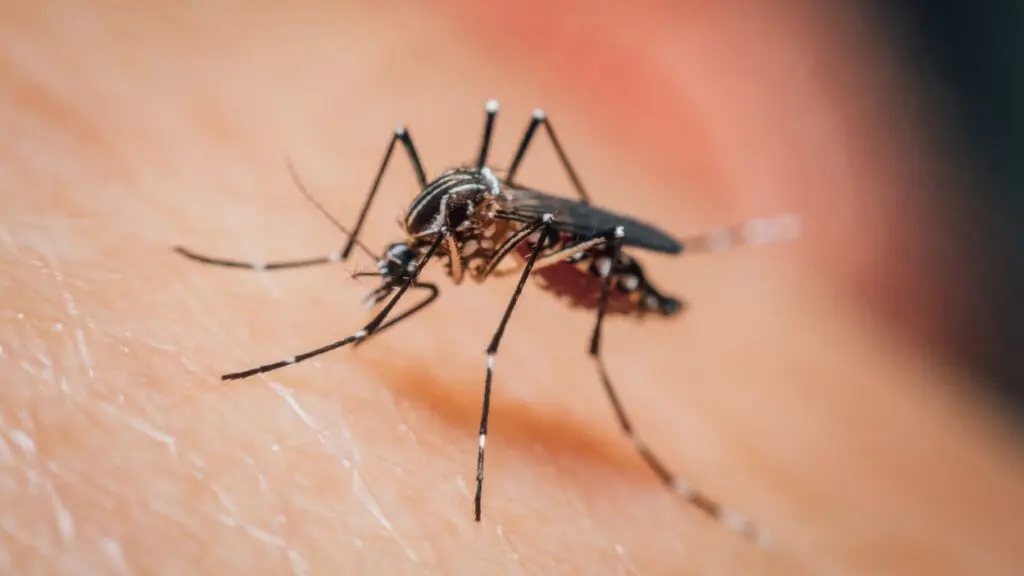
The city of Naperville has identified West Nile virus in three of its 10 mosquito traps in recent weeks and is now asking residents to take precautions.
Traps on Genesee Drive, at Sportsman’s Park off West Street, and on Olesen Drive have shown positive results for West Nile at least once during the weeks of July 20 and July 27, the city said in a news release.
While the city is taking several precautions to reduce mosquitoes, officials also encourage residents to take their own steps to protect their properties from high mosquito populations — and themselves from bites.
How to help decrease mosquito hazards
Mosquito bites can be an issue, not only because they itch, but also because they can transmit West Nile and other viruses. The best way to prevent these illnesses, the city says, is to “reduce the number of mosquitoes around your home and to take personal precautions to avoid mosquito bites.”
Wearing long sleeves and pants, along with shoes, socks and mosquito repellent when outside — especially between dusk and dawn — are two helpful precautions. Loose-fitting and light-colored clothing is best, the city says, and repellent should contain between 25% and 35% of an active ingredient called DEET.
The city also is reminding residents to reduce mosquito breeding sites and hiding places in their yards. This means dumping all sources of stagnant water where mosquitoes could breed, even including small amounts collected in birdbaths, ponds, baby pools, flowerpots, toys or old tires. It also means cutting grass short and trimming shrubs to decrease hiding places for the pesky insects.
What the city is doing to control mosquitoes
The city tests its 10 mosquito traps weekly throughout the summer to identify West Nile.
The virus is transmitted when a mosquito that has fed on an infected bird bites a human, the city explained in the release. Most people experience no symptoms or very mild symptoms — such as fever, headache, body aches, rashes and swollen lymph glands — between 3 and 14 days after the bite. Less than 1% of people infected with West Nile virus develop severe illness.
Near the traps that tested positive for West Nile this month, the city has treated the affected areas, inspected for breeding sites and re-treated nearby catch basins.
City crews also regularly “inspect for and remove standing water where possible” and treat ponds to target mosquito larvae. Crews spray to control adult mosquito populations only “when necessary” and always use “the safest chemicals available in very low volumes,” officials said.
Stay in the know – sign up for our daily news update!