
Illinois releases school report card data each year around Halloween, but this year, a couple of important measures have changed — and more changes are on the way.
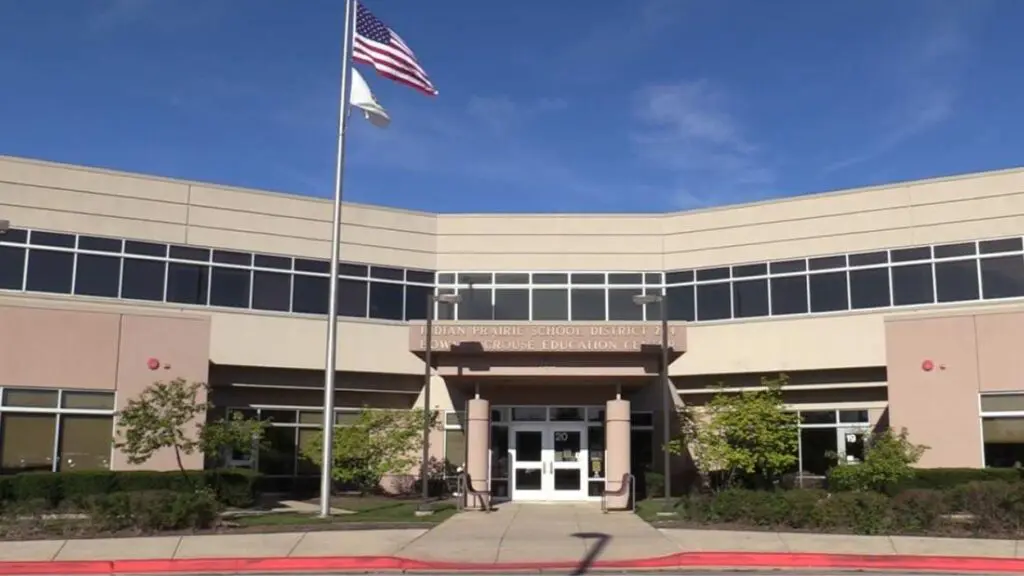
The state has updated the benchmark scores required on standardized tests to demonstrate proficiency in English and math, administrators in Indian Prairie School District 204 told school board members at the board’s most recent meeting. This is also the first year since the state switched back to requiring high school juniors to take the ACT as their standardized test of record, after a handful of years requiring the SAT.
District 204 leaders say the updates to proficiency benchmarks will more accurately reflect student learning — but also make it irrelevant to compare scores reported this year to data from the past.
“The state realized that their proficiency benchmarks were not telling the whole story,” said Sarah Mumm, director of research and assessment. “They slightly lowered the bottom level of proficiency for ELA (English language arts) and math to encompass more accurately the learning progression … It really isn’t the year to compare proficiency from one year to the next.”
New benchmark scores more representative of student learning
School board member Mark Rising and board President Laurie Donahue said they’ve lobbied the state for years to address the mismatch in test scores required to demonstrate proficiency and students’ actual abilities.
“No one is lowering the standards. Now they’re addressing the proficiency cut scores to be more representative of how our kids are doing in school,” Rising said. “It’s normalizing our cut scores on proficiency as it relates to what our kids know.”
But school board members also criticized the complication level of school report card data, saying it’s an overload of scores that can cloud the focus on improving classroom instruction.
“I can’t imagine any other level of government that would need this level of detail for accountability,” school board member Justin Karubas said. “I feel like we’re spinning our wheels trying to meet requirements. How is that helping the kids or the class? I feel like we’ve got a lot of mandates we’re trying to meet. How is it helping us improve?”
Coming next year: Changes to school designations
Even with the changes this year in proficiency cutoff scores and the test taken by high schoolers, more changes to school report card data are on the way.
The state uses student performance data to give what’s called a summative designation to each school. Designations include five categories — exemplary, commendable, targeted support, comprehensive support, and intensive support. District 204 this year has six schools ranked exemplary, 23 in the commendable category and two schools designated for targeted support, which means they need to make plans to improve performance in categories where it’s lagging.
But Mumm said this is the last year these specific categories will be applied.
The state is currently developing a new set of summative designations, and will assign those to schools based on student scores starting next year. Donahue said these designations matter, so no matter how complicated the categories data feel, the district must adjust.
“It’s almost a game. We have to work to make sure our schools get in the right category because parents will see that. It’s how people choose their houses and where they want to live, so its an important measure,” Donahue said. “We have to go along with it — we can’t rebel.”
Data trends to help enhance math learning
Looking at the data reported this year still is valuable for educators, Mumm said. Overall trends in District 204 mirror those at the state level, she said, showing positives in student learning.
“We are seeing across the state, ELA proficiency and math proficiency and participation in AP coursework on the rise — and they are above pre-pandemic levels,” Mumm said. “We are seeing math growth on the increase, but at a much slower rate.”
This data gives educators a reminder to continue to focus on math curriculum implementation and teacher training to ensure students keep making strides.
“There are a lot of connections we can make and things we can enhance and improve based on the analysis of this data,” Mumm said.
If you have a story idea, we want to hear from you!