
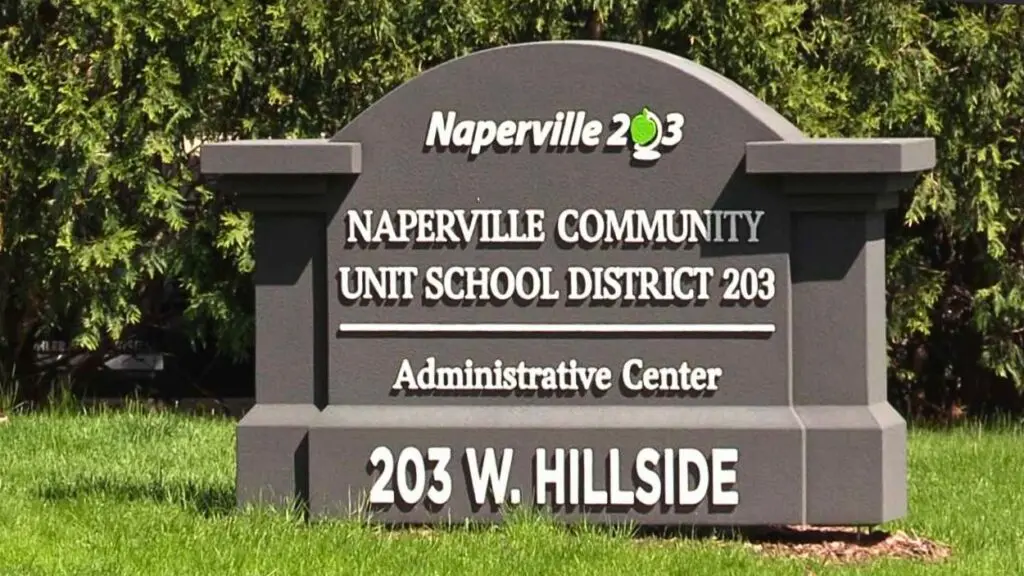
Naperville School District 203 officials are moving forward on a plan to increase the 2025 property tax levy.
The move comes against the backdrop of a recent financial forecast that indicated budget cuts could be on the horizon in the years ahead.
In a 5-2 vote, the board of education on Monday, Dec. 15, adopted a resolution that sets the 2025 levy at $315.13 million, representing a 3.8% increase from the amount levied a year ago.
A look into the numbers, what it means for taxpayers
The board’s vote in support of the tax levy gives district administrators the green light to file the necessary paperwork with clerks in DuPage and Will counties by the statutorily required Dec. 31 deadline.
Naperville 203 receives approximately 85% of its revenue from taxes, making the levy adoption a key part of its annual operating plan.
Last month, Michael Frances, Naperville 203’s chief financial officer, gave the board a report on the levy proposal, and Superintendent Dan Bridges at the Dec. 15 meeting indicated no changes have occurred since the preliminary report.
As outlined in the adopted resolution, Naperville 203’s levy will be applied toward eight specific purposes, with the educational fund (core day-to-day operations) receiving the majority, at $212.9 million. The remaining levy dollars are to be applied toward such purposes as operations and maintenance, transportation, municipal retirement, Social Security, working cash, tort immunity, and special education.
While Naperville 203’s overall levy could increase to the tune of 3.8%, based on the adopted resolution, Frances pointed out there are several variables and factors in the mix that will determine the final outcome and the specific impact it will have on an individual taxpayer.
Finalized new construction figures, due out this spring, will determine exactly how much Naperville 203’s total levy will increase, Frances indicated. The adopted levy reflects $60 million in new construction this past year, though Frances said it could be half that amount, meaning the final amount could be adjusted downward.
“Once the final new construction numbers are known, the county clerk will adjust the tax levy to reflect the final new construction number, provided it does not exceed our estimate,” Frances said.
Additionally, state law limits the levy increase on existing taxpayers to the most recent consumer price index rate.
“Existing taxpayers will experience an average increase of 2.9%,” Frances indicated. He pointed out there are variables, such as assessments, that could bring different results from one taxpayer to the next across the district.
Naperville 203 board members weigh in with concerns, explain “no” votes
Board members Amanda McMillen and Melissa Kelley Black cast the dissenting votes on the levy amount.
“I’m feeling really conflicted about approving this tax levy,” McMillen said. “I know that we have a very dire financial future, but the reality is that we continue year after year to put the burden on our taxpayers. I understand that we’re in a difficult financial situation, where our money comes from the taxpayers.”
McMillen added that her “no” vote was based on a number of factors she is mindful of, such as 15% of the district’s tax base being seniors who are on a fixed income.
“I would like to look at ways where we can create more efficiencies in our budget,” McMillen said.
Kelley Black, meanwhile, had broader concerns about district operations and protocols and suggested a deeper examination of Naperville 203’s expense side of the financial ledger before resorting to a tax increase.
“I love education; I think it’s the most powerful tool we can give our children,” Kelley Black said. “What I’m asking for is fiscal responsibility.”
In response to some of the concerns raised, Naperville 203 administrators indicated a debt abatement measure could be put in place in the spring to bring some tax relief to payers as bills arrive in mailboxes in the year ahead.
Other board members defend levy increase, saying it is necessary
During the robust discussion on the levy resolution at the Dec. 15 meeting, other board members gave their consent to adopting it as presented, while dually expressing sympathy to the cost impact on taxpayers.
Board member Joseph Kozminski pointed out state and federal funding sources are not expected to increase, meaning the levy is one of the few sources at the board’s discretion to fortify operations.
“The reality is we have to raise taxes to pay the bills, to pay the wages, to keep the district going, without going hugely in the red,” Kozminski said. “I know that it is a burden. It would be great to have a different funding mechanism at the state level where we might not have to raise taxes every year. I think that’s something we can advocate for.”
Board member Kristine Gericke echoed Kozminski’s sentiments and suggested lobbying lawmakers in Springfield about public education funding.
“We’re all residents in the district, so our actions do affect our homes, too. We’re not exempt from passing on a difficult decision to someone else and not have to worry about it,” Gericke said. “It’s a difficult decision. I get it, 100%, because I see a tax bill myself.”
If you have a story idea, send us a tip!